





American Flag Bunting for 4th of July
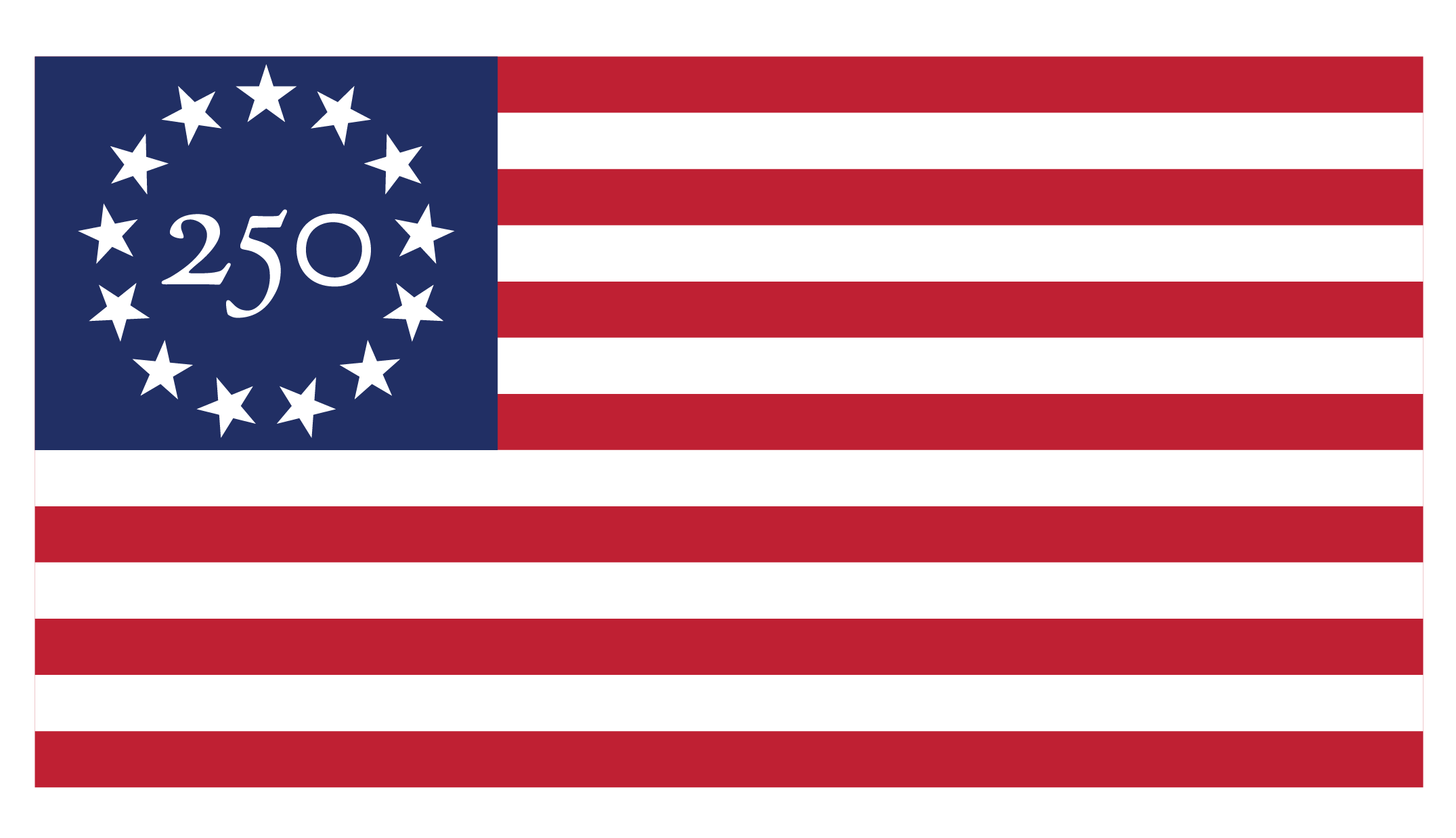
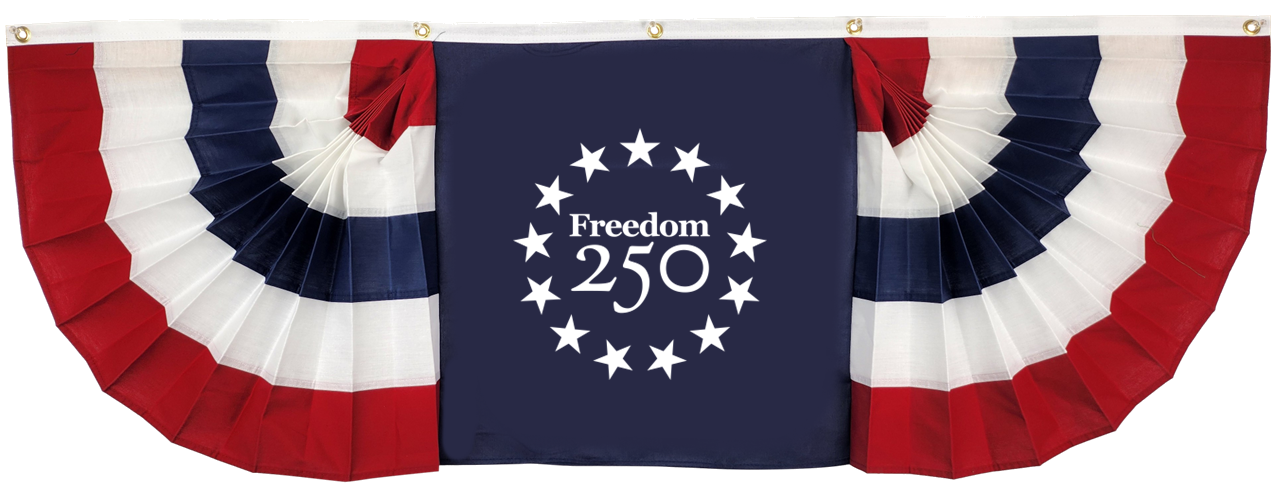
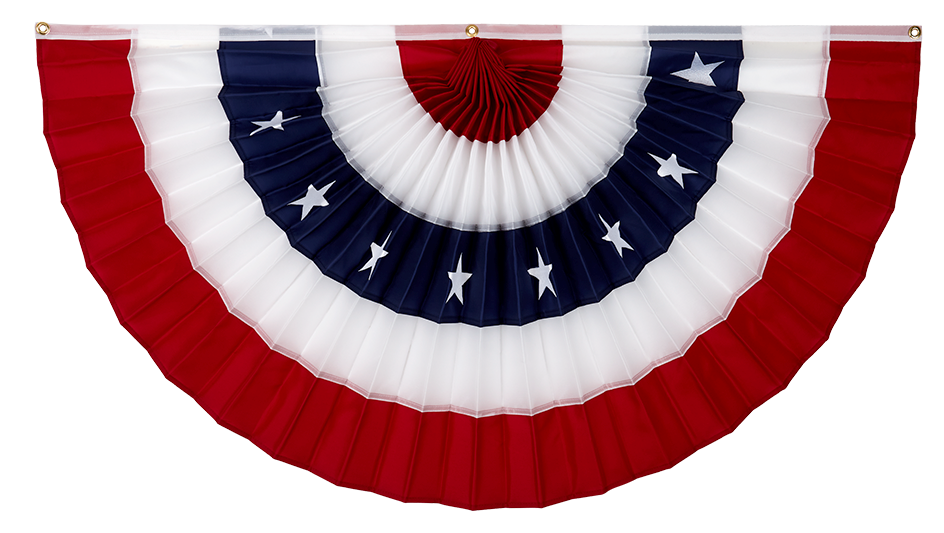
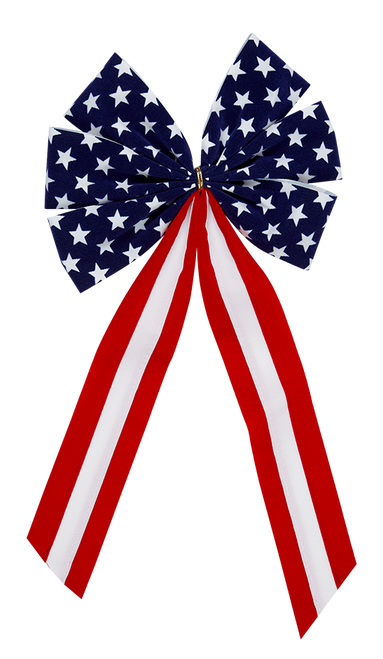
On July 4, 2026, the United States will celebrate 250 years since the Declaration of Independence. This milestone is known as the United States Semiquincentennial. You can decorate your home or event with American flag bunting and pleated fan bunting.
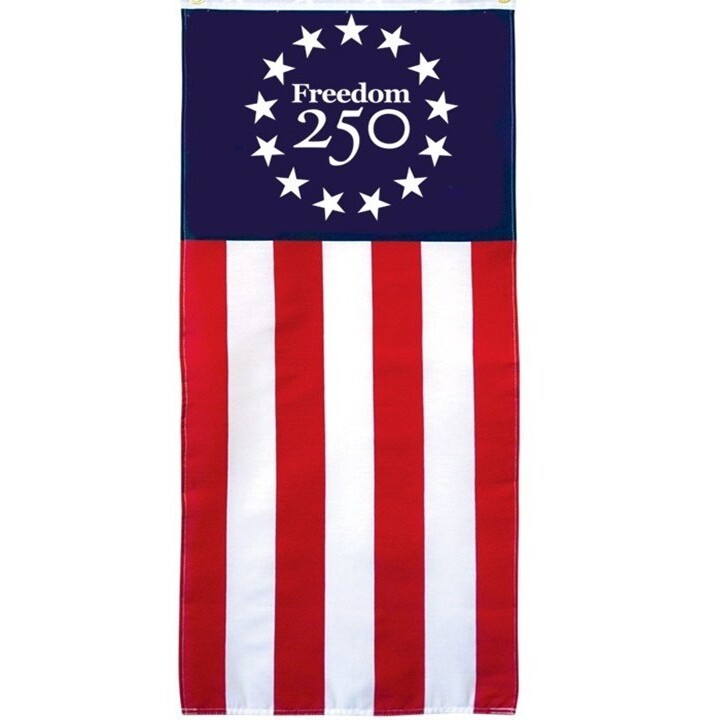
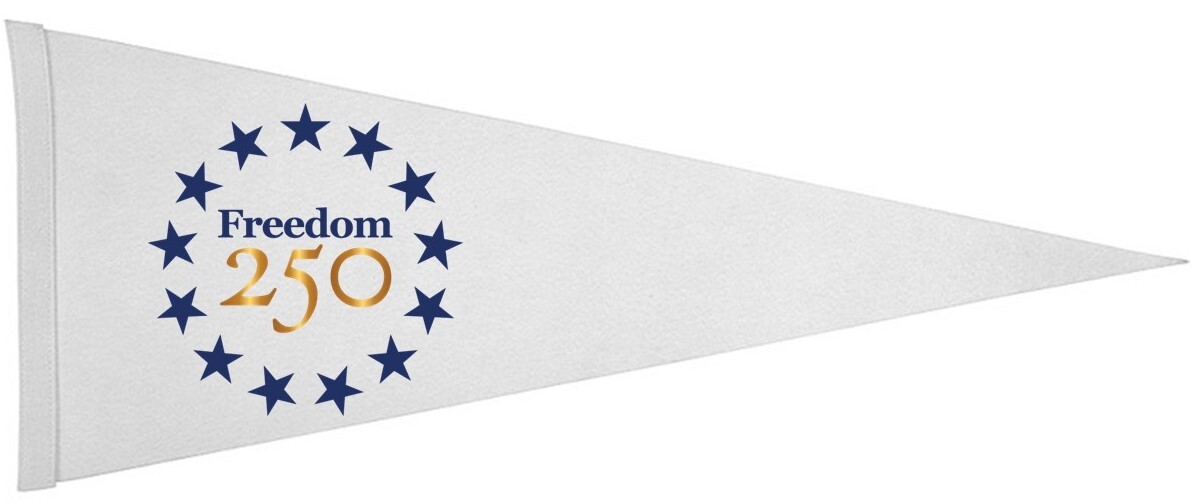
Freedom 250 is part of the national 250th celebration, working with the White House Task Force 250, federal agencies, and local communities. You can use these decorations on porch rails, balconies, fences, stage fronts, or parade floats. Choose the size that fits your space and hang it using the grommets on the header.
You can shop for decorations for a July 4th gathering, city event, or school program. If you want something that looks special and lasts outdoors, our Semiquincentennial items are a great choice. Their red, white, and blue designs are easy to recognize. Add bunting along the front edge, then finish with flags, bows, or banners. Start with one section and repeat the pattern along the whole rail for a polished look.
Americas 250th Anniversary Flag Bunting
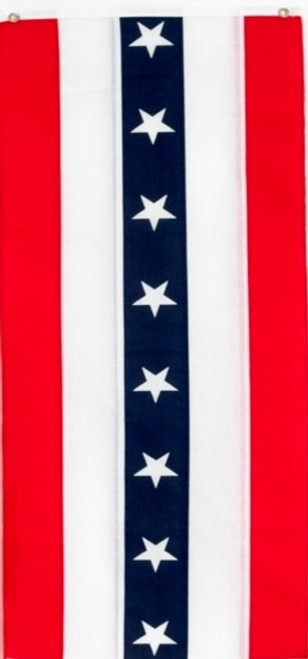
Our America’s 250th Anniversary Flag Bunting gives your display a bold America 250 look with little effort. The nylon pleated bunting keeps its shape outdoors and shows bright red, white, and blue colors from the street. You can use it on entry rails, fences, storefronts, reviewing stands, and photo areas. It works well for both personal parties and public events, making your Fourth of July decorations feel complete.
Each piece hangs from the header grommets for a tidy installation. Pick your size based on the area you want to cover, and use the same size across the whole section for a uniform look. You can add matching bows, pull-down banners, or U.S. flags to complete your set. America 250 decorations help your theme stand out in every photo.
Find the Right American Flag Bunting
To choose the right bunting, start by measuring the area you want to cover. Think about how much sun and wind the spot gets. Then pick the fabric and size that match your needs.
- Measure the full span in feet before shopping
- Check the spot, covered porch, or open sun and windy corners
- Nylon suits longer outdoor use, cotton or poly cotton suits shorter displays
- Keep one size across one span for clean symmetry
- Quantity math: span ÷ bunting width, round up
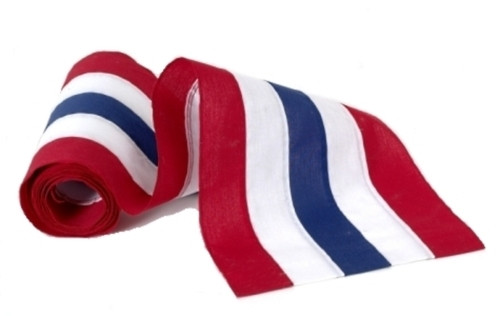
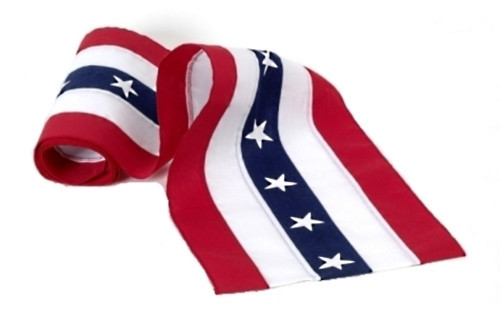
- Check the product details for stars and stripes or stripes only, printed or sewn
A clean display comes from even spacing and a matching pattern. If you mix sizes along a single rail, the center can look uneven, and the ends can look crowded. Leave a small margin at each end and maintain consistent spacing across the entire area. For window trim or storefronts, center the first piece and work outward, keeping the distance equal each time.
Measure your area, choose your fabric, and browse the styles below. Use the same width across the whole section so the pattern looks good in photos. This way, you will need fewer changes later.
How Many Bunting Pieces Do You Need
Measure the length you want to cover from one end to the other. Divide this length by the width of one bunting piece to find out how many you need. Round up and use small gaps and end margins to keep the pattern even.
Measure the span
Measure each straight section separately and treat corners as new sections. Use the same unit, either feet or inches, for all your measurements. Have your numbers ready before choosing a size.
Match the piece width
Check the product size and use the width for your calculations. Use the same width across each section for a consistent pattern. Mixing widths can make the layout look uneven.
Do the count math
Divide the total length by the width of one piece to get the number you need. If you get a decimal, round up to the next whole number. For example, if you get 3.2, use 4 pieces.
Plan spacing and end margin
Leave a small margin at both ends. Keep the spacing between each piece the same. If the numbers do not work out exactly, adjust the spacing instead of using different sizes.
- 12 ft span with 6 ft = 2 pieces
- 18 ft span with 6 ft = 3 pieces
- 24 ft span with 6 ft = 4 pieces
- 24 ft span with 8 ft = 3 pieces
- 30 ft span with 6 ft = 5 pieces
Measure your length, choose your width, and match the number of pieces you need. Browse the sizes below and use the same width across the section. This will help your layout look even from end to end.
Which Bunting Material Should You Pick ?
Choose the material based on where you will use it and how long it will stay up. Nylon pleated bunting is best for outdoor use because it dries quickly, stands up to wind, and keeps its color in the sun. Cotton or poly cotton is good for short displays when you want a softer look and can take it down after the event.
- Outdoor display for more days points to nylon
- Short displays point to cotton or poly cotton
- Open sun needs color that stays bright longer
- Covered shade works with either material
- Rain exposure needs faster drying
- Windy corners need stronger fabric
- Close-up photos show more texture in cotton styles
Choose Right Stars, Stripes, and Logo Style
Style is the first thing people notice. Choose from stars and stripes, stripes only, or a logo style. Check what you already have in your front area and pick the option that looks best with it.
- Stars and stripes fit a classic patriotic display
- Stripes only fit when a U.S. flag is already next to it
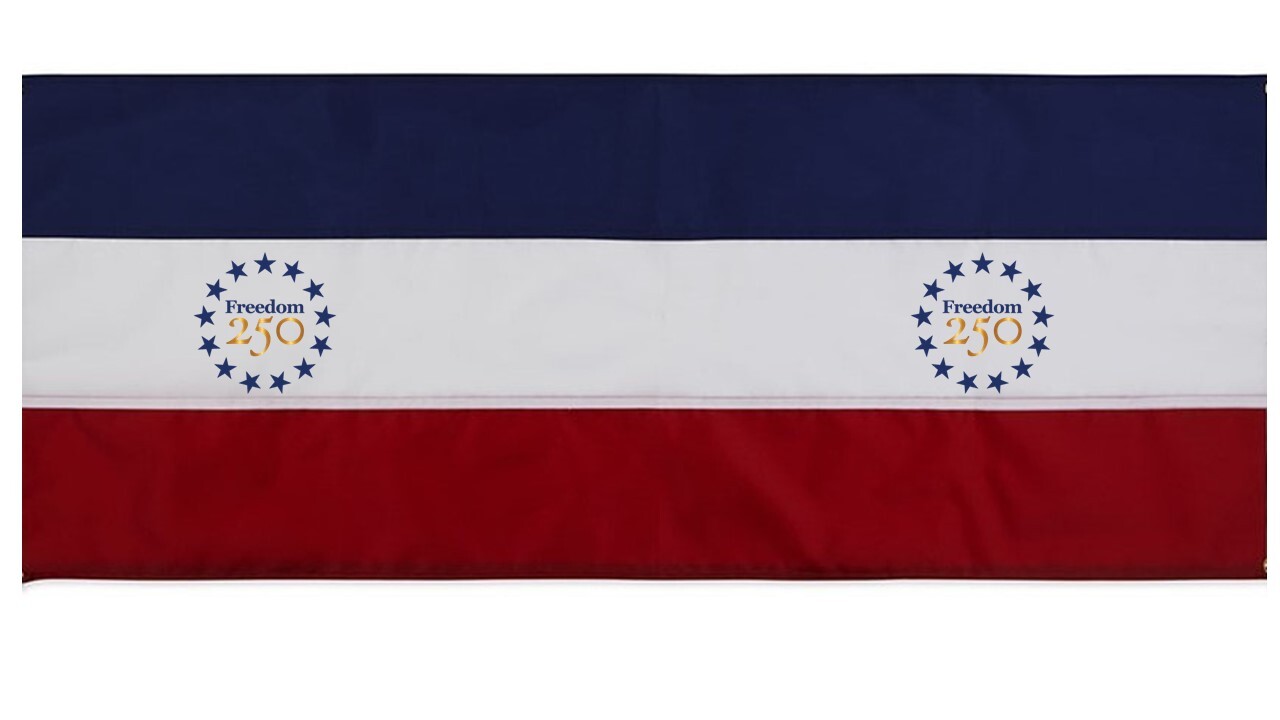
- Logo style fits when you want America 250 to show in photos
- Keep the same style across one section so the pattern looks even
Choose your style first, then pick the size that fits your space. Browse the matching pieces below and keep the same look along the whole line.
Best Places to Hang Bunting
Begin with the front rail, as it is the first place guests will see. Use one main line, center it, and keep the gaps even. Treat each straight side as a separate section and stop at the corners.
- The front porch rail is the main display line, starting at the center and working outward
- Balcony rail gives a clean, straight view, keeping the same size across the span
- Fence line creates a long repeat pattern, keep equal gaps between pieces
- Window trim is a close view spot, use smaller pieces and center them
- Columns or posts add vertical accents. Use one piece per post at the same height
- Storefront fascia frames the entry, centered on the doorway, and matches both sides
- The stage front or photo area is seen from a distance, use larger pieces, and keep the line straight
Frequently Asked Questions
How do I hang bunting on brick, siding, or metal fencing
Match the fastener to the surface. For brick, use masonry screws into the mortar line. For siding, use outdoor hooks under an eave or on solid trim, not on loose panels. For metal fencing, use cable ties or wire ties and keep them off sharp edges.
What bunting size works best for a porch railing?
Most porch rails look best with mid-size bunting. Use smaller sizes for windows or short rail gaps, use 3 ft x 6 ft for most porch sections, and use 4 ft x 8 ft for wide fronts. Keep the same size across one section for a neat pattern.
How many bunting pieces do I need for my railing length?
Measure the straight length you want to cover. Use the width shown on the product. Divide length by width to get your count. Round up if you get a decimal, like 3.2 to 4. Treat corners as new sections and adjust the end gaps.
Nylon vs cotton, which lasts longer outdoors
Nylon lasts longer outdoors. It dries faster after rain. It holds up better in the wind. It keeps color longer in the sun. Cotton looks softer and more traditional. Cotton is better for short displays and should be stored dry.
Can I mix logo bunting with stars and stripes?
Yes, but keep one look across one section so it does not look busy. Place the logo pieces in the center area, and place the stars and stripes on both sides. Keep the same size across that section for balance.
Will wind damage bunting, and where should I avoid hanging it
Strong wind can pull and flap bunting. Avoid outer corners and open gaps between buildings. Skip the highest rail line in very windy areas. Add more tie points on longer pieces to reduce movement. Bring bunting inside during storms to prevent tearing.