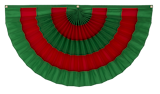





Freedom 250 Betsy Ross Nylon Flag
$50.30 - $490.90
- SKU:
- Flag-BR-F250
- Shipping:
- Calculated at Checkout
Product Summary:
- Historical Significance: Honor the semiquincentennial, marking 250 years of American heritage.
read more
- Premium Quality: Made with industry-leading Heavyweight 200 Denier Solar-Max 100% Printed Nylon Fabric for unmatched durability.
- Resists Fading and UV Rays: Nylon is naturally resistant to the harsh effects of the sun and UV rays, helping to maintain its bright, vibrant colors over a longer period.
- Quick-Drying: Nylon dries quickly after rain, preventing it from becoming waterlogged and reducing the risk of mildew.
- Good Flyability: Because it's lightweight, a nylon flag will fly and flutter effortlessly even in gentle breezes, providing a beautiful display on calm days.
- Easy Installation: Brass Grommets on header simplify hanging and setup for quick convenience.
- American-Made: Proudly produced in the USA, ensuring our commitment to value, quality, and customer satisfaction.
Product Description:
Celebrate 250 years of American independence with the exclusive Betsy Ross Freedom 250 Nylon Flag, a must-have keepsake for patriots and history enthusiasts. This limited-edition flag features the iconic 13-star circle, symbolizing unity and resilience, alongside a striking “250” emblem that commemorates our nation's remarkable journey through the centuries.
Crafted from durable printed nylon, this flag is designed to withstand the elements while maintaining its vibrant colors. Whether displayed at home, in your garden, or at community events, it serves as a powerful reminder of the enduring spirit of the American Revolution. Don’t miss your chance to own this unique piece of history—order your Freedom 250 Betsy Ross Nylon Flag today!
Product Care:
How to Care for Cotton, Nylon, and Polyester Flags
Keep Your Flag Flying Proudly for Years
A flag is more than decoration — it’s a statement, a symbol, and often a source of pride. But sun, wind, rain, and time can wear even the strongest fabric down. The key to making your flag last isn’t luck — it’s knowing how to care for it based on the material.
Cotton, nylon, and polyester flags each have unique strengths, and each one needs slightly different care. Here’s how to do it right.
General Cleaning Guidelines
Before washing any flag, perform a colorfastness test by rubbing a damp cotton swab on a small, inconspicuous area of each color; If the color transfers to the swab, the flag is not colorfast and should be dry-cleaned instead.
For spot cleaning small stains or dirt spots, use a soft cloth or sponge with mild soap and water. Gently dab the stained area and rinse with clean water.
Nylon & Polyester (Synthetic):
- Machine Washing: Use a gentle or delicate cycle with cold water and a mild liquid detergent. To prevent snagging, place the flag in a mesh laundry bag.
- Drying: Always air-dry by laying flat or hanging. Always hang your flag to dry or lay it flat on a clean surface. Never use a machine dryer, as high heat can melt or warp synthetic fibers.
- Ironing: Most wrinkles fall out naturally after a few days of flying. If you must iron, use the lowest heat setting and place a pressing cloth between the iron and the flag to prevent melting. A garment steamer is a safer alternative.
- Professional Cleaning: Many dry cleaners offer free cleaning for American flags as a community service.
Cotton (Natural):
- Washing: Hand-wash gently in cold water with a mild soap or oxygen-based cleaner. Avoid wringing or twisting, which can distort the fabric.
- Drying: Lay flat to air-dry away from direct heat or intense sunlight. Avoid using high heat, such as a dryer.
- Professional Care: For sentimental, heirloom, or heavily soiled cotton flags, dry cleaning is the safest option.
Maintenance and Display
- Weather Protection: Take down flags during severe weather (heavy rain, snow, or high winds) unless they are specifically labeled as "all-weather".
- Never Store Wet: Ensure flags are 100% dry before folding or storing to prevent mold, mildew, and permanent rot.
- Placement: Position flagpoles away from rough surfaces like tree branches, walls, or rusted hardware that can snag and tear the fabric.
- Inspect & Repairs: Regularly check the "fly end" (the edge furthest from the pole) for fraying. Small tears can be repaired by trimming loose threads and re-hemming before they worsen.
- Professional Repair: For significant damage, consider professional repair services. Some companies specialize in flag repairs and can restore your flag to its original condition.
Long-Term Storage
- Environment: Store in a cool, dry, dark place with stable temperatures (avoid attics, basements, or garages).
- Containers: : Store only when completely dry to prevent mold and mildew. Fold the flag neatly or roll it around a tube and place it in a cool, dry, dark area. Use breathable bags; avoid plastic, which traps moisture.
- Method: For long-term preservation, storing the flag flat or rolled on an acid-free tube is preferable to a tight triangular fold, which can cause permanent creases over time.
Respectful Retirement
When a nylon flag becomes too faded or damaged for display, it must be retired with dignity.
- Burying or Recycling: Because nylon releases toxic fumes when burned, burial in a sturdy wooden box or recycling through a specialized program (like those offered by the VFW or Boy Scouts) is often preferred over ceremonial burning
Shipping Times:
Please choose the appropriate shipping method to be assured of your purchase arriving on time. Orders placed before 12:00 pm EST are usually shipped within 1-2 business days. All orders are shipped FOB shipping point New York. These shipping times are the norm, but sometimes can take longer. The days before July 4th, order processing can be between 3-5 days, or possible on rare cases, longer. At this time of year it is best to call in orders to assure on time delivery.
Shipping times are based on when the order is shipped, not when the order is placed.
Free Shipping & Flat Rate shipping are available only in the contiguous United States (Lower 48 States).
Free Shipping - 2 to 8 Days
Flat Rate Shipping - 2 to 8 Days
Free Shipping - 2 to 8 Days
Flat Rate Shipping - 2 to 8 Days
United States Postal Service
Shipping times are approximate.
USPS DOES NOT GUARANTEE DELIVERY DATES !!
USPS Ground Advantage - 2 to 8 Days
USPS Priority - 2 to 3 Days
USPS Express - Overnight
USPS Priority - 2 to 3 Days
USPS Express - Overnight
United Parcel Service
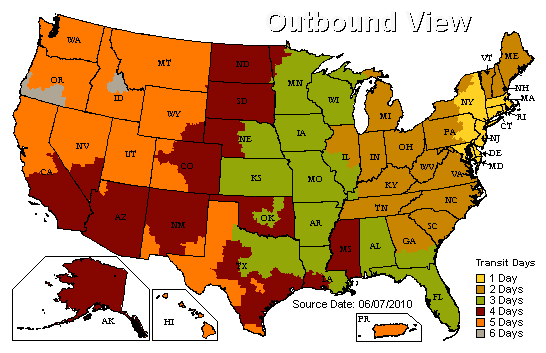
The map below shows the UPS Ground shipping times from Independence Bunting & Flag located in New York. For quicker delivery see options below.
UPS DOES NOT GUARANTEE DELIVERY DATES FOR GROUND SHIPMENTS !!
UPS Next Day - arrives the next business day after the day it was shipped by 10:30 AM
UPS Next Day Saturday - when shipped on Friday will arrive the next day, on Saturday
UPS 2nd Day - arrives 2 business day later, after the day it was shipped
UPS 3rd Day - arrives 3 business days later, after the day it was shipped
UPS Next Day Saturday - when shipped on Friday will arrive the next day, on Saturday
UPS 2nd Day - arrives 2 business day later, after the day it was shipped
UPS 3rd Day - arrives 3 business days later, after the day it was shipped
Related Products