







Why Are Purple and Black Used in Mourning Decorations?
Sep 3rd 2024
Purple and black are used in mourning decorations because each color carries centuries of meaning. In Western tradition, black signals solemn, formal grief, while purple represents dignity, spirituality and reverence for the deceased. Together they set a respectful, somber tone for funerals, memorial services and tributes to fallen service members.
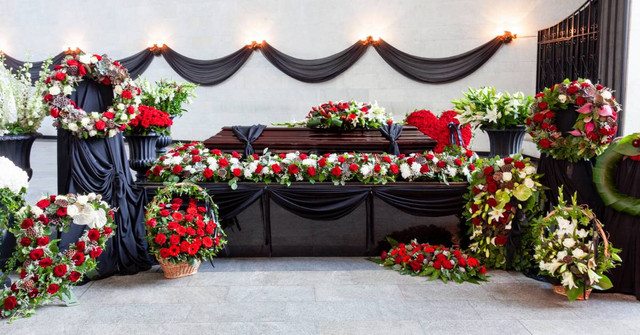
During times of mourning, you’ll often see purple and black decorations. Whether it’s for a funeral, memorial service, or to honor a loved one who has passed away, these colors often convey a profound sense of sorrow and respect. However, have you ever wondered why people use purple and black in mourning decorations? There’s a deeper history and cultural significance that will help you understand why people use these colors so frequently.
Symbolism of Mourning
Many cultures around the globe connect purple and black with mourning. In ancient Rome, grieving people wore purple as it symbolized the fading of life and the transition from life to death. This connection to loss runs deep, as purple historically represents the concept of royalty and the fragility of existence.
Similarly, black has been a predominant color of mourning in Western culture since at least the 14th century, gaining widespread recognition when Queen Victoria popularized its use after the death of Prince Albert. This trend marked a significant shift in how society approached grief, giving rise to customs around mourning attire and decorations.
Sign of Respect
In many cultures, wearing or incorporating purple and black in mourning decorations is a profound sign of respect for the deceased. These colors demonstrate that people recognize someone’s passing and honor them, emphasizing the importance of the individual’s life. These colors also highlight the impact that the deceased had on those around them. It’s a way for mourners to express their grief publicly while also paying tribute.
Traditional Funeral Colors
Purple and black have become the traditional colors for funerals in numerous parts of the world. In Western cultures, many view these colors as somber, dignified, and appropriate for solemn occasions, including funerals or memorial services. Their use establishes a tone of reflection, allowing mourners to collectively grieve without feeling alone.
Timelessness
Purple and black have proven to be timeless choices as traditional colors for mourning decorations. They have maintained their significance and symbolism throughout history, adapting to cultural changes yet remaining a constant in how we express grief and loss. This timeless nature ensures that these colors continue to resonate with people across generations, fostering a collective understanding of mourning.
Purple and black are common in mourning decorations due to their deep symbolism, cultural significance, and timelessness. These two colors help people express their sorrow and respect for the deceased in a dignified and solemn manner. When you’re planning a funeral, be sure to pick up some funeral bunting from us at Independence Bunting.
FAQs
Why are purple and black used for mourning?
Black has signaled formal grief in Western culture for centuries, while purple represents dignity, spirituality and reverence. Used together in decorations, they create a solemn, respectful tone for funerals and memorials.
What does purple symbolize at a funeral?
Purple symbolizes dignity, spirituality and honor for the deceased. Its long association with royalty and the sacred makes it a respectful, slightly warmer alternative to pure black.
What does a purple ribbon mean in the context of death?
Worn as an awareness ribbon, purple usually honors lives lost to causes such as pancreatic cancer, Alzheimer’s, domestic violence or overdose. Families may share purple ribbons at a memorial to remember a loved one and their cause.
What colors symbolize mourning besides black?
White is the traditional mourning color across much of Asia, symbolizing purity and rebirth; purple appears in Western half-mourning and Catholic practice; and a few cultures use red or gold. Black remains the most recognized in the West.
Why do police and firefighters use purple and black bunting?
In US first-responder tradition, black mourns a fallen officer or firefighter while purple represents the protection they gave their community. Departments drape the bunting on stations and apparatus during line-of-duty funerals.
Are purple and black appropriate colors for funeral decorations?
Yes. They are among the most traditional and widely understood mourning colors in Western culture, read as somber and dignified, and are appropriate for funerals, memorial services and celebrations of life.